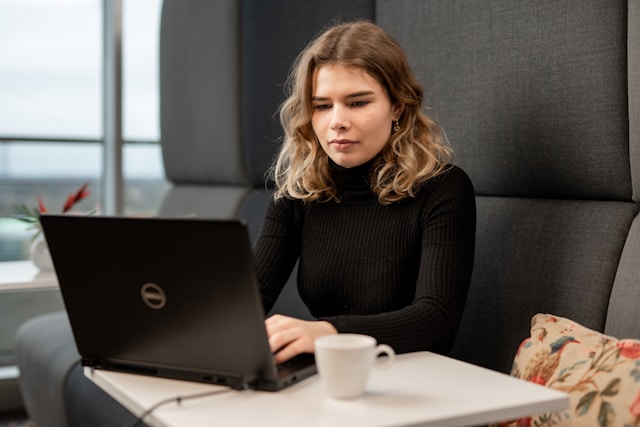
Social media plays a constant role in our daily lives, connecting us to friends, trends, and ideas around the world. But what happens when these same platforms begin to influence our mental wellbeing? If you’ve ever felt drained after scrolling through your newsfeed or judged yourself harshly after seeing someone else’s picture-perfect post, you are not alone. In this blog, we will dive deep into the risks and benefits of using social media. Specifically, we will discuss strategies that you can use to protect and nurture your mental health. So if you are ready, let's talk about social media and how to stay sane in this online world.
Social media wasn’t always designed with our mental health in mind. While it offers endless scrolling pleasure, it can also stir feelings of inadequacy, anxiety, and overwhelm. For instance, one of the most common risks to be aware of when using social media is the comparison trap. Have you ever looked at someone else's curated life and thought, why isn’t my life that amazing? Well, social media is a highlight reel, showcasing vacations, promotions, and accomplishments while concealing struggles and flaws. Comparing yourself to these snapshots of perfection can erode your self-esteem and spark feelings of envy. The second risk to have in mind, is the fear of missing out (FOMO). FOMO is that nagging feeling that you get when you see your friends enjoying a party that you weren’t invited to or pictures of colleagues exploring exotic destinations. It can make you feel left out and can increase anxiety levels significantly over time. Another risk is the addiction to validation. You see, social media thrives on likes, shares, and comments. But when you begin to rely on this external validation to feel good about yourself, it can quickly spiral into a cycle of self-doubt. What happens when the likes don’t meet your expectations? Lastly but not least, it is important that you become mindful of the exposure that you have to negativity while using social media. At times, navigating social media feels like walking into a minefield of negativity and toxicity. Cyberbullying, mean comments, and exposure to divisive or distressing content can harm your mood and outlook. If any of these risks hit close to home, let's pause to take a moment to remind yourself that your self-worth doesn’t depend on a screen. That’s easier said than done, but being mindful of these risks is the first step toward reclaiming control.
Despite its downsides, social media is not all bad. For many, it’s an empowering tool that can improve mental health when used purposefully and wisely. Below are some actionable steps you can take to flip the narrative and get back in control:
1. Building Connections and Support
Social media allows you to maintain relationships with loved ones, even from miles away. Better yet, it opens doors to find like-minded communities and support groups. Whether it’s a group for anxiety sufferers or a fitness challenge, make connections that can remind you that you’re not alone.
2. Access to Educational and Uplifting Content
From motivating quotes to wellness tips, social media can provide daily inspiration that keeps your mental health on track. Use social media to discover new meditations, productivity hacks, or healthy recipes that can give your day a positive boost.
3. Advocating for Change
Individuals and organizations are using social media to champion causes that matter, from climate change to youth mental health initiatives. Being part of these movements can instill a sense of purpose and fulfillment in your life.
The truth is, how you use social media determines whether it’s a source of positivity or a trigger for stress. With intentionality, it can serve as a bridge to growth and healing.
It's worth mentioning that sometimes social media can also shine a spotlight on insecurities and struggles we didn’t even know were weighing us down. And while taking control of your online habits is an important start, there’s no better way to protect your mental wellbeing than seeking professional support. That's when working with a professional can go a long way. A clinical psychologist, such as myself, can help you understand why certain posts or interactions impact you so deeply. Are they triggering unresolved emotions? Are they connected to larger feelings of self-doubt? With the right professional help, you can identify patterns and tackle their root causes. If feelings of anxiety, sadness, or stress arise after using social media, a clinical psychologist can also teach you practical coping techniques. These may include mindfulness strategies, boundary-setting habits, or accountability exercises. A clinical psychologist can also help to guide you toward rediscovering your intrinsic value and help you build confidence from within. Do you find yourself endlessly scrolling before bed instead of sleeping? Clinical psychologists can also help you implement healthier boundaries, such as setting screen time limits, muting negative accounts, or designating digital detox days.
Social media is a double-edged sword. While it has its risks, it also holds the potential to uplift, connect, and inspire when used intentionally. The key is mindfulness. Be conscious of how you engage with these platforms. Celebrate the benefits, avoid unnecessary comparison, and reach out for guidance when you need support. If social media occasionally feels like an overwhelming space for you, please know you don’t have to face its challenges alone. By setting boundaries and working with a skilled mental health professional such as a clinical psychologist, you can empower yourself to maintain control over your mental health both online and offline. You deserve to feel supported, joyful, and confident in every area of your life including how you interact with the digital world.